
Waterfowl hunting is as much about strategy as it is about gear. While having high-quality products is essential, knowing how to deploy them effectively makes all the difference between a mediocre hunt and a successful one. Dive Bomb Industries has built a reputation for manufacturing top-tier hunting gear, especially known for their innovative silhouette decoys, versatile accessories, and user-first design philosophy. However, to truly maximize the benefits of Dive Bomb’s gear, hunters must implement smart, tactical approaches in the field.
In this guide, we’ll explore proven strategies to get the most out of Dive Bomb Industries’ products—from decoy placement and concealment techniques to gear transport and maintenance tips. Whether you’re a beginner or an experienced waterfowler, these strategies will help you elevate your success rate and make every hunt more efficient.
1. Master the Art of Silhouette Spreads
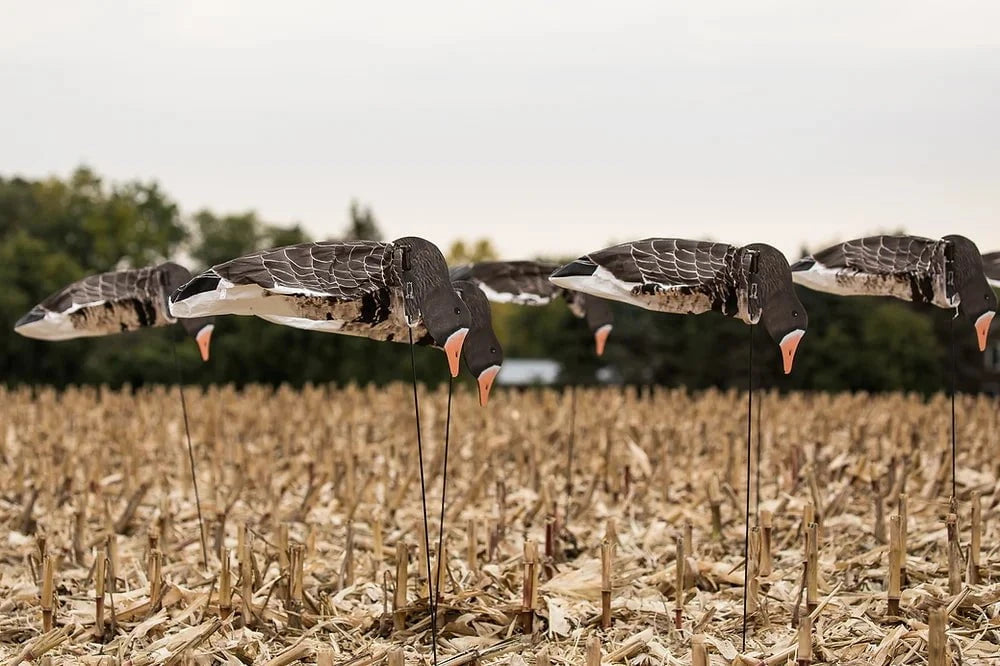
Dive Bomb’s silhouette decoys are lightweight, realistic, and easy to deploy—but simply scattering them in a field won’t maximize their effectiveness. Strategic placement is critical.
Pro Tips:
- Angle the decoys toward the wind: Geese and ducks typically land into the wind. Angling silhouettes to face the wind simulates natural behavior and creates a realistic look from the sky.
- Use “U” or “J” shaped spreads: These patterns create a natural landing zone. Leave an open pocket in the middle for incoming birds to aim for.
- Mix posture and direction: Dive Bomb offers feeding, resting, and active postures—mix them to replicate a lifelike scene. Also, vary the direction of the decoys to simulate a dynamic, feeding flock.
- Create depth with spacing: Spread out your silhouettes in layers rather than one flat line. A sense of depth tricks birds into perceiving a larger flock.
By combining Dive Bomb’s high-resolution, flocked silhouettes with intelligent spread layouts, hunters can create more enticing and effective setups that draw birds from high altitudes.
2. Combine Floaters with Silhouettes for Mixed Habitat Hunts
In areas with both water and land—such as marsh edges, flooded fields, or pond banks—hunters can increase realism by combining Dive Bomb’s floaters and silhouette decoys.
Pro Tips:
- Place floaters in water close to the bank and silhouettes on adjacent dry ground. This mimics natural loafing and feeding behavior.
- Use species-specific combinations like V2F Mallard Floaters with Canada Goose silhouettes. Mixed-species spreads often attract a wider range of birds and break the pattern recognition of pressured flocks.
- Blend concealment between water and land using Dive Bomb’s blind materials and ghillie kits. The goal is to blend your layout blind seamlessly between the water’s edge and the land.
This combo setup adds realism and movement, significantly increasing your odds of success in transitional hunting zones.
3. Optimize Concealment with Dive Bomb Blinds and Cover Systems
Birds have keen eyesight. Even the most realistic decoy spread won’t matter if hunters are visible. Dive Bomb’s layout blinds, blind grass kits, and ghillie blankets are built to help you stay hidden in open fields and grasslands.
Pro Tips:
- Match your concealment to your environment: Use natural stubble from the area you’re hunting in—corn stalks, wheat, marsh grass—and add it to your blind’s stubble straps for ultimate blend-in.
- Keep a low profile: Dive Bomb’s low-profile layout blinds allow hunters to lay flat and stay unseen. Don’t overstuff the top—maintain a natural look.
- Use the “ghost layout” method when concealment cover is minimal. Lay directly on the ground using a ghillie blanket and natural brush. Dive Bomb’s minimal-profile options are perfect for this tactic.
Proper concealment is often the make-or-break factor in close-range shooting opportunities.
4. Use Efficient Gear Transport Systems
One of Dive Bomb’s most practical strengths is portability. Their decoys and gear are designed to be lightweight and easy to move. But smart transportation practices can further enhance your experience.
Pro Tips:
- Slot bags keep silhouettes organized and protected. Always use Dive Bomb’s slot bags to prevent warping and scuffs.
- Use sleds or carts for large spreads. In bigger fields, a decoy sled helps move hundreds of silhouettes in one trip, especially when hunting solo or in tough terrain.
- Layer your setup: Pack gear in the order you’ll use it. First, layout blind and concealment tools; then decoys on top. This saves time during early morning setups.
Cutting down setup and breakdown time not only reduces stress but gives you more time to hunt.
5. Mix Motion and Stillness for Natural Behavior
Birds are quick to pick up on unnatural patterns. While Dive Bomb silhouettes and floaters provide visual realism, adding motion helps sell the illusion.
Pro Tips:
- Use motion stakes in breezy conditions. These allow certain silhouettes to move subtly with the wind, creating lifelike motion.
- Create contrast between moving and still decoys. Keep motion decoys closer to the landing zone to simulate active feeding birds.
- Avoid overusing motion decoys on calm days. Stillness can often be more natural than jerky, artificial motion.
A little movement goes a long way—especially when birds are cautious from pressure.
6. Maintain Your Gear for Long-Term Performance
Dive Bomb gear is built tough, but regular maintenance ensures maximum longevity and effectiveness.
Pro Tips:
- Clean decoys after muddy hunts. Wipe down silhouettes with a damp rag to preserve artwork and flocking.
- Inspect stakes and connectors on floaters regularly for cracks or bends.
- Store decoys flat in slot bags or on racks to prevent warping.
- Dry layout blinds before storing to avoid mildew and fabric damage.
Maintaining your gear reduces replacement costs and keeps performance at its peak throughout the season.
7. Stay Educated with Dive Bomb Media
One of the most powerful ways to get more out of Dive Bomb gear is by leveraging their educational content.
- Dive Bomb Squad Podcast: Offers hunting strategies, gear breakdowns, and real-life field reports from experienced hunters.
- Social Media and YouTube: Check out setup tutorials, hunt footage, and product demonstrations.
- Customer Reviews and Community Feedback: Learn what’s working for other hunters around the country.
By tapping into these resources, hunters can stay up to date with new strategies, product improvements, and seasonal trends.
8. Plan Your Hunts Around Your Gear
Lastly, align your hunting approach with the strengths of Dive Bomb’s system.
- Scout locations that are gear-friendly. Open fields, dry corn stubble, and pasturelands are ideal for silhouette spreads.
- Choose packable gear for public land or walk-in areas where transport is limited.
- Deploy large spreads with 100+ silhouettes to create massive visuals that catch the attention of migrating birds.
Hunting smarter—not harder—starts with gear selection, and Dive Bomb makes it easy to match your tools to your hunting style.
Final Thoughts: Strategy + Dive Bomb = Success
https://www.divebombindustries.com/ doesn’t just manufacture hunting products—they create systems designed for real-world success. But gear alone isn’t enough. When paired with intelligent field strategies, Dive Bomb’s products become a game-changer for waterfowl hunters of all experience levels.